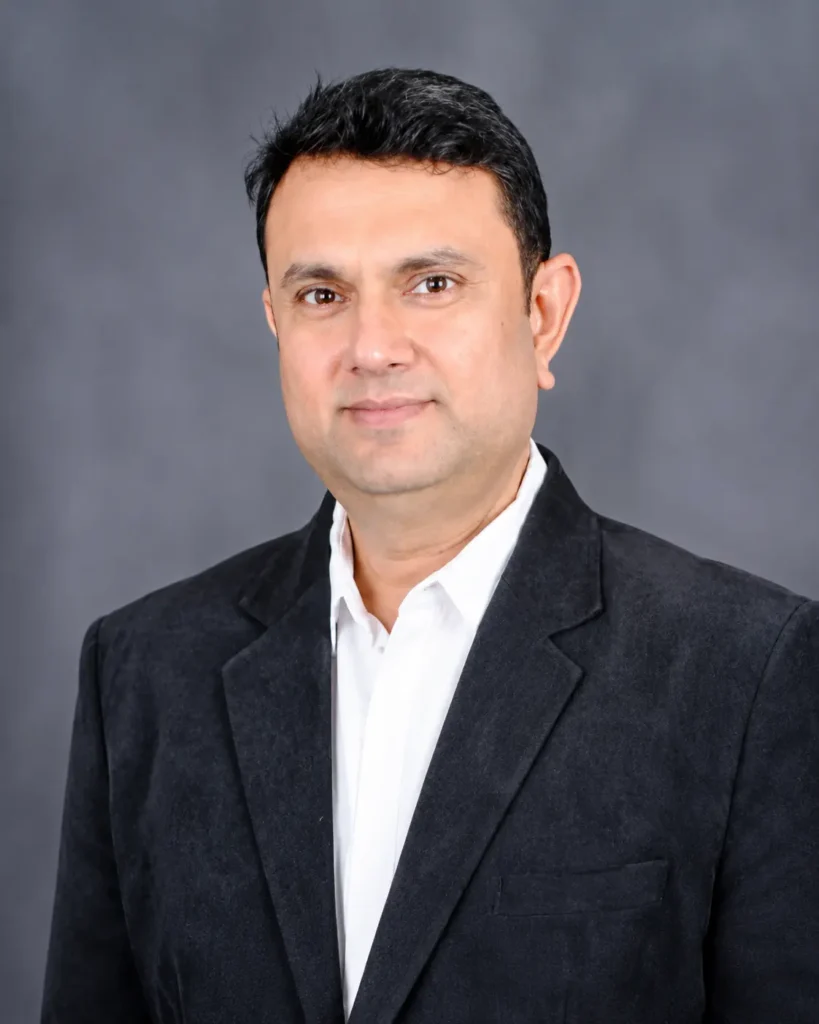
I build the operating systems that let large field networks grow without falling over. I have taken networks from a few dozen sites to thousands, and made the economics work on the way up.
Years in field operations
There is a difference between running a network somebody else designed and designing the thing that makes a network runnable at all. I have spent my career on the second one.
Every network I have taken on arrived without an operating model that could survive its own growth. My approach has held across very different assets, because the problem underneath is always the same one.
You cannot govern what you cannot see. I pushed monitoring across the network until it covered most of it, replaced paper rounds with digital checks, and moved the team from finding out a site was down to knowing it was about to go down.
Field networks are won and lost at the edges, where vendors, technicians, and escalation paths meet. Service levels, standard procedures, and vendor governance are what turn scattered sites into a single managed asset.
Improving unit economics during expansion is the hard direction to move them. Manpower cost per site fell and charger failures dropped from 700 to under 10, all while the network was still opening new locations.
Uptime is not a maintenance statistic. It is the only number every other number depends on, and I have never seen a network get there by accident. You design for it long before the first site goes live.
I designed each one, implemented it, then proved it at national scale across 2,000 sites and 24 cities.
AI coverage: 14% to 63%
Charger failures: 700 to under 10
I build the systems that keep field networks alive. That has meant towers and it has meant swapping stations, but the work has never really changed. Thousands of assets sitting in places nobody is watching, all of them worth nothing on the days they are down.
The pattern in my career is fairly simple. I take on networks that work at thirty sites and cannot work at two thousand, and I design what has to change. Then I build the team, the governance, and the discipline that keeps it true after I stop looking at it every day.
What I write about here is the half of the infrastructure story that rarely gets told. Uptime, unit economics, field discipline, and the operating decisions that quietly determine whether a network compounds or bleeds.
For twenty years, operations was the department you squeezed. That is ending. As networks get denser and margins get thinner, the operating model becomes the thing that separates companies that scale from companies that stall.
Three things are changing at the same time. Monitoring is shifting from people walking sites to machines watching them, because past a certain size a human team physically cannot cover the ground. Maintenance is shifting from a calendar to a condition, because servicing on a schedule wastes money on healthy assets and misses the ones quietly failing. And the operating models built here in India, under the tightest cost constraints anywhere, are becoming the ones worth exporting rather than importing.
I am building for all three. If you are scaling field infrastructure and the operations maths has stopped working, that is a conversation worth having.
Indofast Energy
Indofast Energy
Sun Mobility
ATC Telecom Infrastructure
Alcatel-Lucent, Bharti Infratel, Idea Cellular
I write about running infrastructure that has to stay up, drawn from what actually happens in the field rather than what looks tidy in a deck.
Write to me about partnerships, media enquiries, or scaling field infrastructure in a new market.